
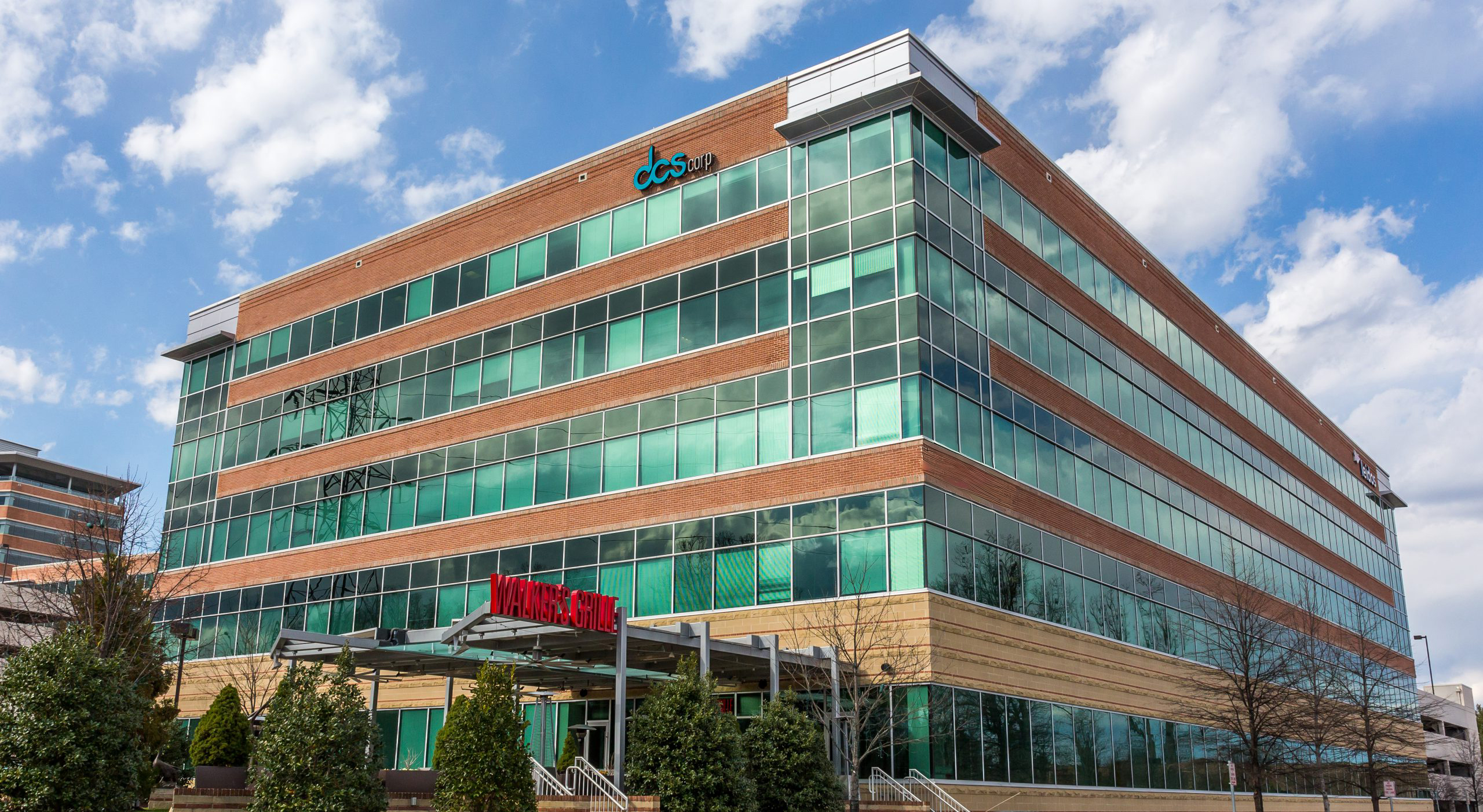





The Story of DCS Corporation: A Narrative of Growth, Evolution, and Technical Excellence
DCS Corporation’s story begins in the late 1970s, as the company established itself as a provider of specialized engineering and management support to U.S. military aviation programs. Over the following decades, it evolved into a national‑security technology organization known for technical rigor, disciplined growth, and a workforce strengthened by employee ownership. Its trajectory is best understood through the eras that reflect changing mission needs and expanding technical breadth.
Foundation and Early Engineering Era (1970s–1990s)
In its earliest years, DCS focused on hands‑on engineering support for aviation and weapons systems, working closely with Naval Air Systems Command and other military program offices. This period set the foundation for the company’s culture of integrity, long‑term partnership, and precise technical execution. In 1987, DCS established its Employee Stock Ownership Plan (ESOP), introducing a shared‑ownership model that would become central to the company’s identity. By the 1990s, with the ESOP in place and capabilities expanding across systems engineering, programmatic support, and modeling and simulation, DCS was positioned for the broader multidisciplinary growth that would define the decades ahead.
Expansion and Diversification Era (2000s–2010s)
As defense technology needs shifted in the early 2000s, DCS broadened its footprint across land, air, sea, cyber, and space domains. The company expanded into areas such as electronic warfare, systems integration, autonomous systems, logistics analysis, and command‑and‑control technologies. Its expertise in modeling and simulation deepened, particularly with advanced tools used across Air Force and Army programs. What had been a niche engineering firm was evolving into a multi‑disciplinary partner capable of supporting a broad spectrum of research, development, testing, and integration efforts.
A transformative milestone occurred during this era: DCS became a 100% employee‑owned company, acquiring the remaining “founder shares” from the original owners. This milestone further shaped the organization’s identity and set the cultural tone for its next chapter. Employee ownership fostered personal investment, long‑term thinking, and steady, measured growth. Rather than chasing rapid expansion, DCS focused on building capabilities that aligned with mission needs, strengthening technical excellence, and cultivating teams capable of tackling increasingly complex problems.
Integration and Technical Acceleration Era (2010s–2020s)
Through the 2010s and into the early 2020s, DCS emphasized deepening technical capability, integrating disciplines, and supporting large‑scale modernization efforts across multiple military branches. As autonomy, AI/ML, cognitive engineering, human‑machine teaming, and advanced electronics became central to defense innovation, DCS expanded its research and development footprint accordingly. The company played an increasingly influential role in advanced sensor exploitation, modeling and simulation frameworks, weapon‑system analysis, human‑autonomy integration, and mission‑critical software development.
One of the most significant milestones in this era was the acquisition of Infoscitex (IST), which brought additional strengths in aerospace sciences, cognitive research, biosystems, modeling, simulation, and autonomy. IST’s eventual full integration into DCS in 2024 marked a new era of capability fusion, enabling the company to support high‑complexity research, multidisciplinary development, and next‑generation technology programs with greater depth and cohesiveness.
DCS’s acquisition of OptiMetrics strengthened its advanced modeling, simulation, and analytical capabilities while significantly expanding its CBRN defense expertise, especially through tools and software long used in programs like JWARN. The added capability enhanced DCS’s ability to support chemical, biological, radiological, and nuclear threat assessment, response planning, and mission readiness.
Modern Era of Multi‑Domain Innovation (2020s–Present)
Today, DCS operates in an environment defined by rapid technological change and evolving national‑security priorities. The company supports programs across air, land, sea, cyber, and space—providing expertise in artificial intelligence, autonomy, electronic warfare, advanced mission‑systems integration, robotics, sensors, modeling and simulation, human‑systems engineering, and more. Employee‑owners contribute to modernization efforts for the Air Force, Army, Navy, Marine Corps, and other federal agencies, bringing together engineering rigor with practical mission understanding.
DCS continues to grow through strategic acquisitions and capability expansion, including the integration of ARCTOS Technology Solutions, which broadened expertise in aerospace structures, propulsion, materials, safety engineering, and advanced manufacturing. This era reflects a company that has transitioned from a specialized engineering provider into a multi‑domain technical organization equipped to support the most challenging and interdisciplinary defense missions.
A Story Still Unfolding
What sets DCS apart across all these eras is consistency of purpose: steady growth, mission‑driven work, and a culture rooted in ownership and integrity. Its history shows a company that evolves deliberately, invests in its people, and adapts to meet national‑security needs without losing sight of its foundational principles.
As DCS moves forward, its story remains one of technical excellence shaped by empowered employees—continuing a legacy built over nearly half a century and poised to support the next generation of defense innovation.